Chicago Wave Local perspective
Wrigleyville in the Offseason: New Eats, Malört Bars and Why to Visit Now
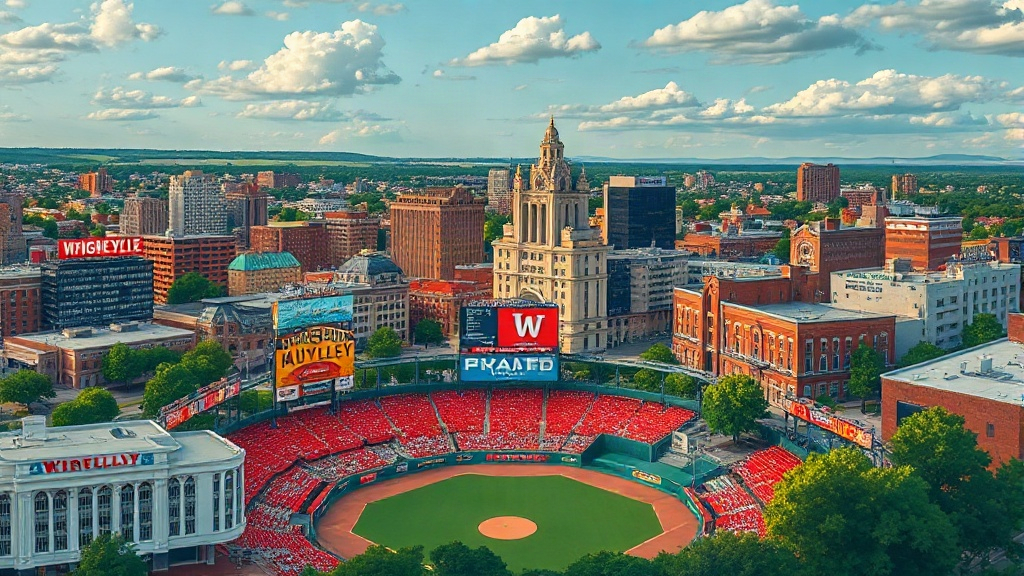
Wrigleyville has a reputation as a summer neighborhood, all bleacher seats, day games and crowds spilling down Clark Street. But the area around Wrigley Field is more than a game-day backdrop. With the baseball season over and the weather turning cold, the neighborhood is showing a quieter, more local side, and recent news suggests its food and drink scene is still growing.
Pronto Italian Sandwiches Eyes a Wrigleyville Location
The latest headline comes from the food world. Pronto Italian Sandwiches is reportedly planning an expansion into Wrigleyville, a sign that operators still see the neighborhood as a strong market for fast, craveable food.
The logic is easy to follow. Wrigleyville has steady foot traffic from residents, office workers, concertgoers, tourists and sports fans. A sandwich shop fits that mix well: it's quick before a game, easy to grab after a night out, and filling enough for a long day on the town.
Chicago's sandwich culture also helps. The city takes its Italian beef, its subs and its hot giardiniera seriously, so a new arrival in a competitive area has to earn loyalty through quality, not novelty. Neighborhood regulars will be watching to see how the shop settles into a stretch already full of pizza spots, taverns and late-night counters.
Where Baseball Culture Meets Neighborhood Bar Culture
Wrigleyville's identity has always been tied to its bars. Some are loud, packed and built for game day. Others, like Nisei Lounge, show a more specific kind of devotion to the sport and the city.
Nisei Lounge has drawn attention for a combination that only makes sense in Chicago: a deep love of baseball and an equally committed love of Malört. For the uninitiated, Malört is the notoriously bitter Chicago liquor, often treated as a rite of passage. Taking the shot is less about enjoyment than about earning a story.
That pairing says something about the neighborhood. At its best, Wrigleyville isn't only about the big, famous ballpark. It's also about small rooms where fans trade opinions, make quirky traditions and keep the sport alive all year.
Why the Offseason Is a Good Time to Visit
Visiting in the colder months has real advantages. Without game-day crowds, you can:
- Walk around the ballpark and take photos without the rush - Get a table at bars and restaurants that are packed all summer - Talk with staff and regulars who have more time to chat - Try new openings before they become the next big thing
The surrounding streets also show the neighborhood's mix of historic architecture, rowhouses, music venues and corner taverns. Wrigleyville is a residential community as well as a destination, and the offseason makes that easier to see.
What to Watch in the Neighborhood
A few trends are worth following as winter sets in:
- Fast-casual growth. New sandwich and counter-service concepts reflect demand for quick, affordable food near the ballpark. - Character-driven bars. Places with a clear personality, whether built around a liquor, a team or a theme, stand out in a crowded field. - Year-round programming. The area works to attract visitors outside baseball season, from concerts and events to holiday activity around the stadium.
A Neighborhood Built for Regulars and Visitors Alike
Wrigleyville works because it serves two audiences at once. Visitors come for the history, the ivy and the atmosphere. Locals come for convenience, community and a good place to eat or drink on an ordinary weeknight.
News like a new sandwich shop on the way or a bar earning attention for its devotion to baseball and Malört shows the neighborhood is still evolving without losing its character. Whether you're planning a cold-weather stroll around the ballpark, hunting for your next favorite lunch or working up the nerve for a shot of Malört, Wrigleyville still has plenty to offer when the stands are empty.